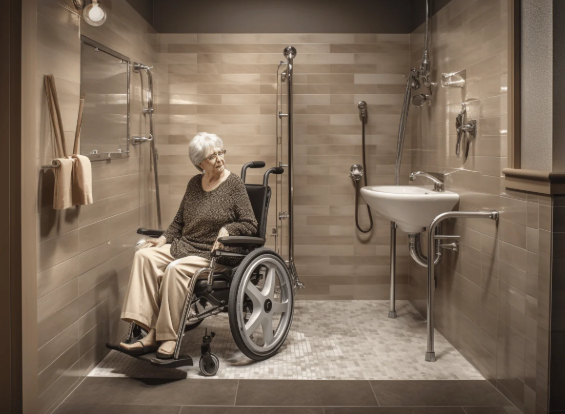
Bathrooms are among the most common places where slips and falls occur in the home. Wet surfaces, tight spaces, and the need to stand while bathing can create challenges for seniors, people recovering from injuries, and individuals with limited mobility. Because of these risks, many households are turning to bathroom mobility aids that make bathing safer and more comfortable.
Among the most popular options are shower stools, which provide a simple and practical way to reduce fall risks while bathing. These compact seating aids allow users to sit securely instead of standing on a slippery floor. But are they the right solution for every situation? Understanding how they compare to other mobility aids can help you decide when shower stools are the best choice.
Understanding Bathroom Mobility Aids
Bathroom mobility aids are designed to provide extra support, balance, and comfort during daily hygiene routines. They are particularly useful for people who may struggle with balance, fatigue, or joint pain.
Some of the most common bathroom safety products include:
- Grab bars installed near the shower or bathtub
- Non-slip mats or flooring
- Handheld shower heads
- Transfer benches
- Shower chairs
- Shower stools
Each of these aids serves a specific purpose. Grab bars provide support when stepping into or out of the shower, while transfer benches help people safely move from outside the tub into the bathing area. Seating aids like shower stools and shower chairs allow users to sit while bathing, reducing the need to stand on wet surfaces.
The right combination of these tools can significantly improve bathroom safety.
What Are Shower Stools?
Shower stools are compact seating devices designed specifically for use in showers or bathtubs. Unlike larger shower chairs, stools usually have a simple round or square seat with four sturdy legs. They are typically made from water-resistant materials such as aluminum frames and molded plastic seats.
The main advantage of shower stools is their compact design. Many bathrooms, particularly in apartments or older homes, have limited shower space. A full-size chair may not fit comfortably, but a stool can provide the same basic support without taking up as much room.
Most models include non-slip rubber feet to keep the stool stable on wet surfaces. Many also feature drainage holes in the seat to prevent water from pooling during use.
When Shower Stools Are the Best Option
While there are many types of bathing aids available, shower stools work best in certain situations. Understanding these scenarios can help determine whether they are the right solution.
Small Shower Spaces
Bathrooms with narrow shower stalls often cannot accommodate larger mobility aids. In these cases, shower stools are ideal because they fit easily into tight spaces without restricting movement.
Their smaller footprint allows users to sit comfortably while still having enough room to reach soap, shampoo, and shower controls.
Mild Balance or Fatigue Issues
People who experience mild balance problems or fatigue during showers may not need a full shower chair with armrests and back support. Shower stools provide a simple seating option that allows users to rest while bathing without adding unnecessary bulk.
For individuals who can sit and stand independently, a stool may be all that is required to improve safety.
Temporary Recovery Needs
People recovering from surgery, injuries, or illness may only need extra support for a limited period. Shower stools are often an affordable and practical solution for short-term use because they are lightweight and easy to move or store when no longer needed.
Their portability also makes them useful for households where multiple people share the bathroom.
See also: Business Dynamics Insight Framework: 615942594, 39853700, 344052738,
Benefits of Using Shower Stools
There are several advantages that make shower stools a popular bathroom safety aid.
Space efficiency: Their compact size makes them suitable for small showers and bathrooms.
Lightweight design: Most stools are easy to move, making cleaning and repositioning simple.
Affordability: Compared to larger mobility aids, shower stools are often more budget-friendly while still providing important safety benefits.
Improved bathing comfort: Sitting down while bathing reduces strain on the legs and joints, making the experience more relaxing and less physically demanding.
These benefits make shower stools a practical option for many individuals who want a safer bathing environment without major bathroom modifications.
Comparing Shower Stools to Shower Chairs
Although both provide seating support, there are key differences between stools and chairs.
Shower chairs typically include backrests and armrests for additional stability. They are often recommended for individuals who have more serious balance issues or require help sitting down and standing up.
In contrast, shower stools offer a simpler design with fewer support features. They are best suited for users who can maintain balance while seated and do not need additional upper-body support.
Choosing between these options depends on the user’s physical condition, the available bathroom space, and personal comfort preferences.
Creating a Safer Bathing Environment
Even with seating aids, it is important to use other safety measures in the bathroom. Installing grab bars near the shower entrance, using non-slip mats, and ensuring good lighting can further reduce accident risks.
When combined with these modifications, shower stools can significantly improve safety and confidence during bathing.
Regularly checking the stool’s rubber feet and frame for wear is also important to ensure it remains stable and secure over time.
Final Thoughts
Bathroom safety is a critical concern for seniors and individuals with mobility challenges. Simple assistive devices can make a big difference in reducing the risk of slips and falls.
Among the many options available, shower stools provide a compact, affordable, and practical solution for safer bathing. They are particularly useful in smaller bathrooms, for individuals with mild mobility limitations, or for those who need temporary support during recovery.
While they may not offer the same level of support as larger chairs, shower stools remain a valuable mobility aid that helps many people maintain independence and confidence in their daily routines.