Intravenous therapy is a cornerstone of modern healthcare, enabling healthcare professionals to administer fluids, medications, and nutrients directly into a patient’s bloodstream. One of the essential components of IV therapy is the iv line, which ensures efficient fluid delivery and precise control. Understanding the structure, types, and proper use of IV lines is crucial for optimizing patient care.
What is an IV Line?
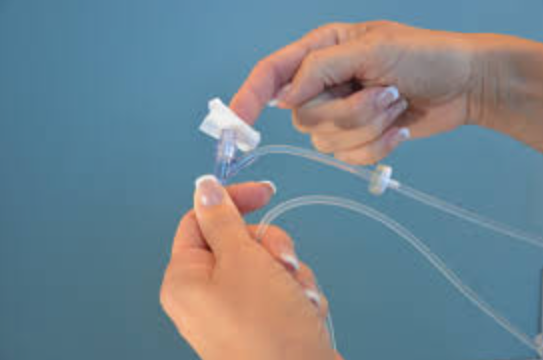
An iv line is a flexible tube that provides a pathway for fluids or medications to enter a patient’s vein. It is connected to an IV bag or syringe and includes connectors, clamps, and sometimes filters to control flow. IV lines are widely used in hospitals, clinics, and emergency care for hydration, medication administration, and blood transfusions.
Components of an IV Line
- Tubing: Delivers fluids from the IV bag to the patient.
- Connectors: Attach the tubing securely to IV bags, syringes, or catheters.
- Drip Chamber: Allows visual monitoring of fluid flow and drop rate.
- Roller Clamp: Adjusts the flow of fluids accurately.
- Filters: Optional in-line filters remove air bubbles and particles before fluids enter the bloodstream.
For detailed guidance, healthcare professionals can refer to iv line resources.
Types of IV Lines
Peripheral IV Line
A peripheral IV line is inserted into a vein in the hand, arm, or foot. It is commonly used for short-term therapy, such as fluid replacement, medication administration, or blood sampling.
Central IV Line
Central IV lines are inserted into larger veins near the heart, such as the subclavian or jugular veins. They are used for long-term therapy, rapid administration of medications, and critical care situations.
Midline IV Line
A midline IV line is inserted into a peripheral vein but extends deeper than a standard peripheral line, allowing therapy for several weeks without frequent changes.
Applications of IV Lines in Healthcare
IV lines are versatile tools used in various medical scenarios, including:
- Fluid Replacement: Treating dehydration caused by illness, surgery, or trauma.
- Medication Administration: Delivering antibiotics, chemotherapy drugs, and pain management medications.
- Blood Transfusion: Providing a safe and controlled pathway for transfusions.
- Nutritional Support: Administering essential nutrients intravenously to patients unable to eat.
- Emergency Care: Facilitating rapid fluid and medication delivery during critical situations.
Advantages of IV Lines
- Provides precise control over fluid and medication administration.
- Minimizes the need for repeated venipuncture.
- Reduces the risk of infection and contamination when properly maintained.
- Allows long-term therapy with minimal discomfort for patients.
Proper Handling and Maintenance
- Ensure connections are secure before starting therapy.
- Follow strict aseptic technique during setup and administration.
- Monitor patient response and fluid flow continuously.
- Replace IV lines according to hospital protocols.
- Inspect tubing, connectors, and clamps for leaks, cracks, or contamination.
See also: Joe’s Carts: Shifting a Lifestyle of Convenience, Community and Coastal Charm
Troubleshooting Common Issues
- Slow Flow: Check for kinks, blockages, or improper roller clamp adjustment.
- Leaks: Inspect all connections and replace damaged components.
- Air Bubbles: Flush carefully to prevent embolism.
- Patient Discomfort: Adjust catheter placement and monitor for infiltration or irritation.
FAQs About IV Line
1. What is an iv line used for?
An iv line is used to deliver fluids, medications, blood, or nutrients directly into a patient’s bloodstream safely and efficiently.
2. What is the difference between peripheral and central IV lines?
Peripheral IV lines are used for short-term therapy in smaller veins, while central IV lines are used for long-term therapy in larger veins near the heart.
3. How often should IV lines be replaced?
IV lines should be replaced according to hospital protocols, usually every 72–96 hours, to maintain sterility and reduce infection risk.
Conclusion
The iv line is a critical component of intravenous therapy, providing accurate and efficient fluid and medication delivery. Proper understanding of types, applications, and handling ensures optimal patient outcomes. For more detailed guidance, healthcare professionals can consult iv line resources.