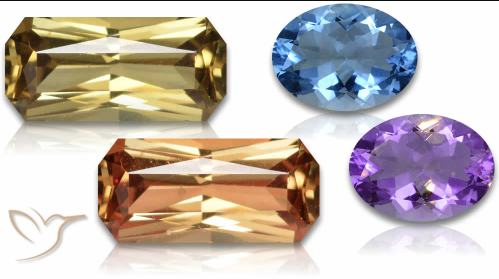
Light plays a powerful role in the beauty of precious stones. While cut, clarity, and color are essential qualities, it is ultimately light that brings a gemstone to life. Some stones simply sparkle under illumination, while others undergo dramatic visual changes depending on the type of light source. Among the most fascinating examples are color-changing gemstones, which shift hues entirely under different lighting conditions.
One of the most remarkable stones known for this phenomenon is lab grown alexandrite, celebrated for its striking transformation between daylight and artificial light. Understanding how light interacts with gemstones reveals why certain stones appear to change color and why this optical magic continues to captivate jewellery lovers.
The Science Behind Light and Gemstones
To understand how light transforms gemstones, it helps to first understand how light works. White light, such as sunlight, is made up of a spectrum of colors. When light enters a gemstone, certain wavelengths are absorbed while others are reflected back to the viewer’s eye. The reflected wavelengths determine the color we see.
In most gemstones, this interaction produces a stable, consistent color. However, in color-changing stones like lab grown alexandrite, the internal crystal structure absorbs light in a unique way. It selectively filters different parts of the light spectrum depending on the light source, resulting in a visible shift in color.
This phenomenon is known as the “alexandrite effect,” and it remains one of the most extraordinary optical properties in the world of fine jewellery.
Daylight vs. Incandescent Light
The type of light surrounding a gemstone dramatically influences its appearance. Natural daylight contains a balanced spectrum with strong blue and green wavelengths. Incandescent lighting, on the other hand, is richer in red and yellow tones.
When exposed to daylight, lab grown alexandrite typically appears green, bluish-green, or teal. Under incandescent light, it transforms into shades of red, raspberry, or purplish-red. This shift occurs because the gemstone absorbs and reflects different wavelengths depending on the light’s composition.
The dramatic transition seen in lab grown alexandrite is not an illusion or surface trick. It is a structural property of the crystal itself, making the change authentic and deeply rooted in its composition.
The Role of Trace Elements
The color-changing effect in certain gemstones is caused by trace elements within their crystal structure. In alexandrite, chromium is responsible for its remarkable ability to absorb specific wavelengths of light.
In lab grown alexandrite, scientists carefully replicate the same chemical conditions found in natural stones. The presence of chromium within the crystal lattice enables the gemstone to respond differently to various light sources.
Because lab grown alexandrite shares the same chemical makeup as natural alexandrite, its color transformation is equally vivid and captivating. The precision of laboratory growth often ensures consistent and strong color-change performance.
See also: Solomon Law SC: Premier Personal Injury and Car Accident Lawyer in South Carolina
Cut and Faceting Influence
While chemistry determines the potential for color change, the cut of a gemstone influences how dramatically the effect is displayed. A well-cut stone maximizes light reflection and internal refraction, enhancing both brilliance and color transformation.
Expertly faceted lab grown alexandrite allows light to travel through the stone efficiently, intensifying its shift between green and red tones. Poor cutting, however, can reduce the visibility of the change, making the transformation appear weaker.
This is why craftsmanship plays a vital role in showcasing the full beauty of light-sensitive gemstones.
Viewing Angles and Environment
Light transformation does not depend solely on the type of bulb or sunlight. The angle at which light enters the gemstone and the surrounding environment also influence perception.
For example, lab grown alexandrite may display subtle variations of teal or purple depending on whether it is viewed indoors, outdoors, or under mixed lighting conditions. Even the color of nearby surfaces can slightly impact how the stone appears to the eye.
This dynamic quality makes lab grown alexandrite especially intriguing. It rarely looks exactly the same twice, offering a constantly evolving visual experience.
Emotional and Symbolic Impact
The way light transforms certain gemstones adds emotional depth to their appeal. A stone that changes color feels alive and responsive, almost as if it interacts with its surroundings.
Many people are drawn to lab grown alexandrite because its shifting hues symbolize adaptability, balance, and transformation. The movement between cool and warm tones can represent duality or harmony, making it meaningful for engagement rings and milestone jewellery.
The interplay of light and gemstone creates a sense of wonder that static-colored stones may not provide.
Modern Appeal and Innovation
Advancements in gemstone cultivation have made these optical wonders more accessible. Lab grown alexandrite offers the same mesmerizing light transformation as natural alexandrite but with greater availability and often improved clarity.
Because lab grown alexandrite is created in controlled environments, it consistently exhibits strong color-change properties. This reliability makes it increasingly popular among designers and buyers who appreciate both science and beauty.
In today’s jewellery market, consumers value uniqueness. A gemstone that shifts dramatically under different lighting conditions stands out in a sea of traditional options.
Conclusion
Light is the invisible force that unlocks a gemstone’s true character. Through absorption, reflection, and refraction, it determines how a stone appears to the human eye. In rare cases, such as with lab grown alexandrite, light does more than enhance color — it transforms it entirely.
The extraordinary ability of certain gemstones to change hues under different lighting conditions continues to fascinate jewellery enthusiasts around the world. By understanding the science behind this phenomenon, we gain a deeper appreciation for the intricate relationship between light and crystal structure.
Ultimately, gemstones that respond dynamically to light offer more than beauty. They provide movement, symbolism, and a sense of magic — qualities that ensure their lasting place in fine jewellery.