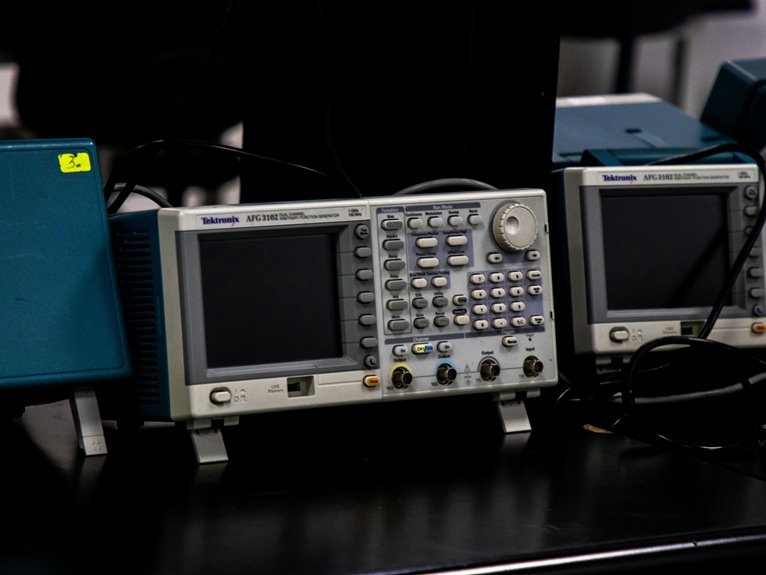
Industry movement and signal analysis serve as critical tools for navigating the complexities of market dynamics. The specific identifiers, such as 630153974 and 120890322, represent distinct case studies that showcase the effectiveness of advanced signal analysis techniques. By leveraging methods like Fourier transforms, organizations can uncover significant trends within intricate datasets. This exploration raises pertinent questions about the future of these analytical approaches and their potential impact on operational strategies.
Understanding Movement Analysis and Its Importance
Movement analysis serves as a critical framework for understanding the dynamics of various industries. Through movement tracking, organizations can gather essential data, enabling precise data interpretation.
This analytical approach unveils patterns and trends, fostering informed decision-making. By grasping these insights, industries can enhance operational efficiency, adapt to market fluctuations, and ultimately pursue greater autonomy, driving innovation and competitiveness in an increasingly complex landscape.
Signal Analysis Techniques for Enhanced Performance
As organizations increasingly rely on data-driven strategies, the implementation of advanced signal analysis techniques becomes paramount for enhancing performance.
Signal processing methods, such as Fourier transforms and wavelet analysis, facilitate the extraction of meaningful patterns from complex data sets.
Coupled with effective data visualization, these techniques enable stakeholders to interpret results intuitively, fostering informed decision-making and optimizing overall operational efficiency.
Case Studies: Applications of Key Industry Identifiers
While many industries have adopted key identifiers to streamline operations, their practical applications often reveal deeper insights into market dynamics and operational efficiencies.
Case studies illustrate how these industry identifiers enhance data accuracy, facilitate regulatory compliance, and optimize supply chains.
Future Trends in Movement and Signal Analysis
How will advancements in technology shape the future of movement and signal analysis?
Emerging techniques in predictive modeling will enhance the accuracy of forecasts, enabling organizations to anticipate shifts more effectively.
Coupled with sophisticated data visualization tools, these innovations will facilitate clearer insights, empowering users to make informed decisions.
The interplay of these elements will drive greater autonomy in navigating complex data landscapes.
Conclusion
In conclusion, the intricate dance of industry movement and signal analysis reveals profound insights that can drive operational success. By leveraging advanced techniques like Fourier transforms and wavelet analysis, organizations can navigate the complexities of their data landscape. As illustrated by the case studies associated with the specified identifiers, the ability to discern patterns is akin to finding a needle in a haystack—crucial for informed decision-making in an ever-evolving market. The future promises further advancements, sharpening competitive edges.