Introduction
Retaining walls are essential structures used to hold back soil, prevent erosion, and create stable landscapes. However, their long-term performance depends on proper design and material selection. One of the most effective materials used today is geotextile for retaining wall applications. This fabric improves drainage, reinforces soil, and reduces pressure buildup, helping to ensure durability and stability over time. Understanding how geotextile for retaining wall works can help you build stronger and longer-lasting structures.
What Is Geotextile for Retaining Wall?
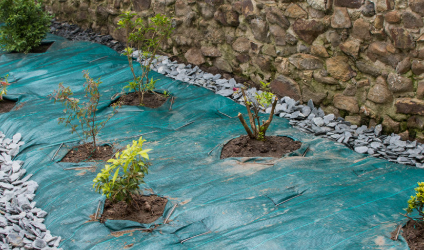
Geotextile for retaining wall is a permeable synthetic fabric placed behind or within the wall system. It allows water to pass through while preventing soil movement, maintaining the integrity of the structure.
Key Functions
- Soil separation
- Water filtration
- Drainage improvement
- Soil reinforcement
These functions make it an essential component in modern retaining wall construction.
Importance of Geotextile in Retaining Walls
Without proper drainage and reinforcement, retaining walls can fail due to pressure and soil movement.
Reduces Water Pressure
Water accumulation behind a retaining wall can create hydrostatic pressure. Geotextile allows water to flow through, reducing stress on the structure.
Prevents Soil Erosion
It keeps soil in place while allowing water to pass, preventing erosion and maintaining stability.
Enhances Structural Strength
By reinforcing the soil, geotextile improves the wall’s ability to withstand pressure and load.
Benefits of Using Geotextile for Retaining Wall
Long-Term Durability
Geotextile helps extend the lifespan of retaining walls by preventing common issues such as erosion and water damage.
Reduced Maintenance
Proper installation reduces the need for frequent repairs and maintenance.
Improved Drainage
Water flows easily through the fabric, preventing buildup and damage.
Cost Efficiency
It reduces long-term costs by minimizing structural failures and repairs.
Applications of Geotextile in Retaining Walls
Geotextile is used in a wide range of retaining wall projects.
Residential Applications
- Garden retaining walls
- Landscape terraces
- Decorative wall structures
Commercial Applications
- Highway retaining walls
- Industrial slope stabilization
- Infrastructure projects
Installation Guidelines
Proper installation ensures the best results.
Steps to Follow
- Prepare and level the ground
- Place the geotextile behind the wall
- Overlap edges to prevent gaps
- Secure the fabric firmly
- Add drainage materials such as gravel
- Complete wall construction
Learn More About Retaining Wall Solutions
For a deeper understanding of how this material improves durability and performance, you can explore geotextile for retaining wall solutions designed for long-term stability.
Common Mistakes to Avoid
Avoid improper installation, skipping overlap, using low-quality materials, or neglecting drainage layers, as these can reduce effectiveness.
FAQs
Why is geotextile used in retaining walls?
It improves drainage, prevents soil erosion, and enhances structural stability.
Can geotextile prevent retaining wall failure?
Yes, it reduces water pressure and soil movement, which are common causes of failure.
How long does geotextile last?
High-quality geotextile can last for many years depending on installation and environmental conditions.
Conclusion
Geotextile for retaining wall applications is an essential solution for improving durability and performance. Its ability to enhance drainage, stabilize soil, and reduce pressure makes it a key component in modern construction. By using geotextile correctly and following proper installation methods, you can build strong, reliable, and long-lasting retaining walls. Investing in high-quality materials ensures better results and reduced maintenance over time.