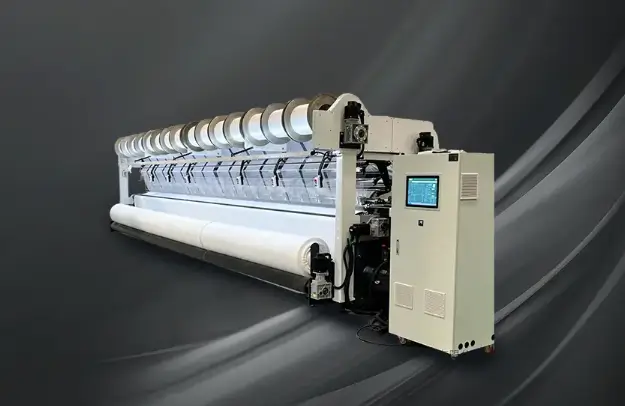
The textile industry has witnessed remarkable technological advancements over the past decades, and the warp knitting machine has emerged as a critical tool for efficient fabric production. Designed to produce high-quality knitted fabrics at scale, warp knitting machines are widely used in apparel, home textiles, and industrial applications.
Understanding the capabilities, advantages, and applications of warp knitting machines helps manufacturers improve productivity while maintaining superior fabric quality.
What Is a Warp Knitting Machine?
A warp knitting machine is a type of knitting equipment where yarns run vertically (warp) through the machine to create fabrics. Unlike weft knitting, warp knitting allows for higher production speeds and produces fabrics with better dimensional stability, strength, and durability.
Key features include:
- Automated warp yarn feeding for consistent knitting
- Adjustable settings for various fabric densities and patterns
- Capability to produce complex textures and designs
- High-speed operation suitable for industrial-scale production
These characteristics make warp knitting machines essential for modern textile manufacturing.
Advantages of Warp Knitting Machines
High Production Efficiency
Warp knitting machines are capable of producing large volumes of fabric quickly. Automation reduces manual labor and increases throughput, making them ideal for industrial-scale textile production.
Superior Fabric Quality
Fabrics produced by warp knitting machines are strong, stable, and resistant to distortion. This makes them suitable for garments, upholstery, and technical textiles that require dimensional accuracy.
Versatility in Fabric Types
Modern warp knitting machines can handle a wide range of yarn types and fabric structures, from lightweight mesh fabrics to heavy-duty industrial textiles.
Cost-Effectiveness
By increasing production speed and reducing labor requirements, warp knitting machines lower overall manufacturing costs. Their efficiency and durability make them a smart investment for textile businesses.
Applications of Warp Knitting Machines
Apparel Industry
Warp knitting machines produce fabrics for sportswear, lingerie, hosiery, and casual clothing. The machines provide the flexibility to create different textures, patterns, and elastic properties for various garment types.
Home Textiles
Blankets, curtains, upholstery, and decorative fabrics can be manufactured using warp knitting machines, ensuring consistent quality and durability.
Industrial Textiles
Warp knitting is also used to produce technical fabrics for automotive interiors, geotextiles, medical textiles, and filtration products due to the material strength and stability.
Research and Development
Warp knitting machines support innovation in fabric design by allowing experimentation with yarn types, stitch patterns, and fabric structures.
Features to Consider When Selecting a Warp Knitting Machine
When choosing a warp knitting machine, manufacturers should consider:
- Production Speed: Faster machines increase efficiency
- Pattern Flexibility: Machines capable of handling complex fabric designs
- Durability: Industrial-grade construction for long-term use
- Automation Level: Fully automated machines reduce labor costs and enhance precision
Selecting the right machine ensures consistent fabric quality and improved operational efficiency.
Innovations in Warp Knitting Machines
Recent advancements in warp knitting machines include:
- Computerized controls for precise pattern creation
- Multi-yarn capability for complex fabric blends
- Energy-efficient motors to reduce operational costs
- Safety and ergonomic improvements for operator protection
These innovations increase efficiency, versatility, and reliability in fabric production.
Frequently Asked Questions (FAQ)
1. How does a warp knitting machine differ from a weft knitting machine?
Warp knitting machines use vertical yarns (warp) and can produce fabrics faster and with better dimensional stability than weft knitting machines, which use horizontal yarns.
2. What types of fabrics can be produced on a warp knitting machine?
Warp knitting machines can produce apparel fabrics, home textiles, and industrial fabrics such as mesh, lace, and technical textiles.
3. Are warp knitting machines suitable for large-scale production?
Yes. These machines are designed for industrial-scale operations, offering high speed, efficiency, and consistent fabric quality.
Conclusion
Warp knitting machines are indispensable in modern textile manufacturing, offering efficiency, versatility, and superior fabric quality. From garments and home textiles to technical fabrics, these machines provide reliable, high-speed production that meets industrial demands. Investing in advanced warp knitting machine technology ensures consistent output, cost savings, and the ability to innovate with fabric designs, making it a cornerstone of contemporary textile production.Warp Knitting Machine: Enhancing Efficiency in Textile Production
The textile industry has witnessed remarkable technological advancements over the past decades, and the warp knitting machine has emerged as a critical tool for efficient fabric production. Designed to produce high-quality knitted fabrics at scale, warp knitting machines are widely used in apparel, home textiles, and industrial applications.
Understanding the capabilities, advantages, and applications of warp knitting machines helps manufacturers improve productivity while maintaining superior fabric quality.
What Is a Warp Knitting Machine?
A warp knitting machine is a type of knitting equipment where yarns run vertically (warp) through the machine to create fabrics. Unlike weft knitting, warp knitting allows for higher production speeds and produces fabrics with better dimensional stability, strength, and durability.
Key features include:
- Automated warp yarn feeding for consistent knitting
- Adjustable settings for various fabric densities and patterns
- Capability to produce complex textures and designs
- High-speed operation suitable for industrial-scale production
These characteristics make warp knitting machines essential for modern textile manufacturing.
Advantages of Warp Knitting Machines
High Production Efficiency
Warp knitting machines are capable of producing large volumes of fabric quickly. Automation reduces manual labor and increases throughput, making them ideal for industrial-scale textile production.
Superior Fabric Quality
Fabrics produced by warp knitting machines are strong, stable, and resistant to distortion. This makes them suitable for garments, upholstery, and technical textiles that require dimensional accuracy.
Versatility in Fabric Types
Modern warp knitting machines can handle a wide range of yarn types and fabric structures, from lightweight mesh fabrics to heavy-duty industrial textiles.
Cost-Effectiveness
By increasing production speed and reducing labor requirements, warp knitting machines lower overall manufacturing costs. Their efficiency and durability make them a smart investment for textile businesses.
Applications of Warp Knitting Machines
Apparel Industry
Warp knitting machines produce fabrics for sportswear, lingerie, hosiery, and casual clothing. The machines provide the flexibility to create different textures, patterns, and elastic properties for various garment types.
Home Textiles
Blankets, curtains, upholstery, and decorative fabrics can be manufactured using warp knitting machines, ensuring consistent quality and durability.
Industrial Textiles
Warp knitting is also used to produce technical fabrics for automotive interiors, geotextiles, medical textiles, and filtration products due to the material strength and stability.
Research and Development
Warp knitting machines support innovation in fabric design by allowing experimentation with yarn types, stitch patterns, and fabric structures.
Features to Consider When Selecting a Warp Knitting Machine
When choosing a warp knitting machine, manufacturers should consider:
- Production Speed: Faster machines increase efficiency
- Pattern Flexibility: Machines capable of handling complex fabric designs
- Durability: Industrial-grade construction for long-term use
- Automation Level: Fully automated machines reduce labor costs and enhance precision
Selecting the right machine ensures consistent fabric quality and improved operational efficiency.
Innovations in Warp Knitting Machines
Recent advancements in warp knitting machines include:
- Computerized controls for precise pattern creation
- Multi-yarn capability for complex fabric blends
- Energy-efficient motors to reduce operational costs
- Safety and ergonomic improvements for operator protection
These innovations increase efficiency, versatility, and reliability in fabric production.
Frequently Asked Questions (FAQ)
1. How does a warp knitting machine differ from a weft knitting machine?
Warp knitting machines use vertical yarns (warp) and can produce fabrics faster and with better dimensional stability than weft knitting machines, which use horizontal yarns.
2. What types of fabrics can be produced on a warp knitting machine?
Warp knitting machines can produce apparel fabrics, home textiles, and industrial fabrics such as mesh, lace, and technical textiles.
3. Are warp knitting machines suitable for large-scale production?
Yes. These machines are designed for industrial-scale operations, offering high speed, efficiency, and consistent fabric quality.
Conclusion
Warp knitting machines are indispensable in modern textile manufacturing, offering efficiency, versatility, and superior fabric quality. From garments and home textiles to technical fabrics, these machines provide reliable, high-speed production that meets industrial demands. Investing in advanced warp knitting machine technology ensures consistent output, cost savings, and the ability to innovate with fabric designs, making it a cornerstone of contemporary textile production.
The textile industry has witnessed remarkable technological advancements over the past decades, and the warp knitting machine has emerged as a critical tool for efficient fabric production. Designed to produce high-quality knitted fabrics at scale, warp knitting machines are widely used in apparel, home textiles, and industrial applications.
Understanding the capabilities, advantages, and applications of warp knitting machines helps manufacturers improve productivity while maintaining superior fabric quality.
What Is a Warp Knitting Machine?
A warp knitting machine is a type of knitting equipment where yarns run vertically (warp) through the machine to create fabrics. Unlike weft knitting, warp knitting allows for higher production speeds and produces fabrics with better dimensional stability, strength, and durability.
Key features include:
- Automated warp yarn feeding for consistent knitting
- Adjustable settings for various fabric densities and patterns
- Capability to produce complex textures and designs
- High-speed operation suitable for industrial-scale production
These characteristics make warp knitting machines essential for modern textile manufacturing.
Advantages of Warp Knitting Machines
High Production Efficiency
Warp knitting machines are capable of producing large volumes of fabric quickly. Automation reduces manual labor and increases throughput, making them ideal for industrial-scale textile production.
Superior Fabric Quality
Fabrics produced by warp knitting machines are strong, stable, and resistant to distortion. This makes them suitable for garments, upholstery, and technical textiles that require dimensional accuracy.
Versatility in Fabric Types
Modern warp knitting machines can handle a wide range of yarn types and fabric structures, from lightweight mesh fabrics to heavy-duty industrial textiles.
Cost-Effectiveness
By increasing production speed and reducing labor requirements, warp knitting machines lower overall manufacturing costs. Their efficiency and durability make them a smart investment for textile businesses.
Applications of Warp Knitting Machines
Apparel Industry
Warp knitting machines produce fabrics for sportswear, lingerie, hosiery, and casual clothing. The machines provide the flexibility to create different textures, patterns, and elastic properties for various garment types.
Home Textiles
Blankets, curtains, upholstery, and decorative fabrics can be manufactured using warp knitting machines, ensuring consistent quality and durability.
Industrial Textiles
Warp knitting is also used to produce technical fabrics for automotive interiors, geotextiles, medical textiles, and filtration products due to the material strength and stability.
Research and Development
Warp knitting machines support innovation in fabric design by allowing experimentation with yarn types, stitch patterns, and fabric structures.
Features to Consider When Selecting a Warp Knitting Machine
When choosing a warp knitting machine, manufacturers should consider:
- Production Speed: Faster machines increase efficiency
- Pattern Flexibility: Machines capable of handling complex fabric designs
- Durability: Industrial-grade construction for long-term use
- Automation Level: Fully automated machines reduce labor costs and enhance precision
Selecting the right machine ensures consistent fabric quality and improved operational efficiency.
See also: Home Deep Cleaning Dubai: Transform Your Living Space with Professional Care
Innovations in Warp Knitting Machines
Recent advancements in warp knitting machines include:
- Computerized controls for precise pattern creation
- Multi-yarn capability for complex fabric blends
- Energy-efficient motors to reduce operational costs
- Safety and ergonomic improvements for operator protection
These innovations increase efficiency, versatility, and reliability in fabric production.
Frequently Asked Questions (FAQ)
1. How does a warp knitting machine differ from a weft knitting machine?
Warp knitting machines use vertical yarns (warp) and can produce fabrics faster and with better dimensional stability than weft knitting machines, which use horizontal yarns.
2. What types of fabrics can be produced on a warp knitting machine?
Warp knitting machines can produce apparel fabrics, home textiles, and industrial fabrics such as mesh, lace, and technical textiles.
3. Are warp knitting machines suitable for large-scale production?
Yes. These machines are designed for industrial-scale operations, offering high speed, efficiency, and consistent fabric quality.
Conclusion
Warp knitting machines are indispensable in modern textile manufacturing, offering efficiency, versatility, and superior fabric quality. From garments and home textiles to technical fabrics, these machines provide reliable, high-speed production that meets industrial demands. Investing in advanced warp knitting machine technology ensures consistent output, cost savings, and the ability to innovate with fabric designs, making it a cornerstone of contemporary textile production.


