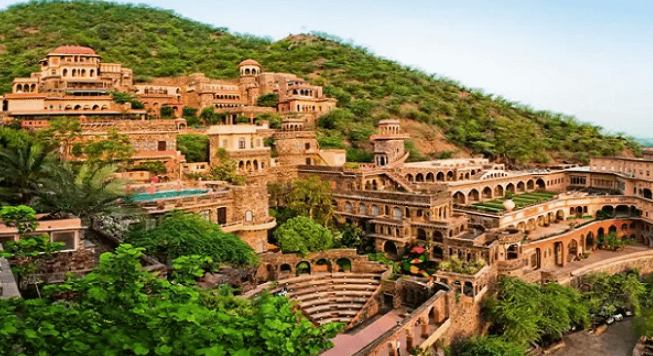
Delhi, the vibrant capital of India, is a city steeped in history and culture. It beautifully showcases a blend of ancient traditions and modern developments, making it a unique destination. Home to several UNESCO World Heritage Sites, such as the Red Fort and Qutub Minar, Delhi offers visitors a glimpse into the rich past of the country. The bustling streets are filled with a variety of flavors, sounds, and sights, making it an exhilarating place to explore. From the elegant architecture of the India Gate to the serene expanses of the Lotus Temple, every corner of this metropolis holds a story waiting to be discovered. As a central hub of politics, commerce, and education, Delhi also serves as a melting pot of diverse cultures, further contributing to its appeal.
For travelers seeking to reach this dynamic city, various airlines offer convenient flight options. Notably, Cathay Pacific provides flight services from Los Angeles To Delhi catering to passengers looking for comfort and reliability as they journey to Delhi. With multiple international airports and well-connected domestic routes, the city is accessible to visitors from all over the world. Whether you’re coming for business, leisure, or cultural exploration, the seamless connectivity ensures that Delhi is just a flight away. This ease of access enhances the travel experience, making it more feasible for tourists to immerse themselves in the city’s vibrant life and extensive heritage. With its alluring blend of the past and present, Delhi continues to captivate the hearts of all who set foot in this historical metropolis.
Humayun’s Tomb
Humayun’s Tomb, a UNESCO World Heritage Site, is an exquisite example of Mughal architecture located in Delhi, India. Commissioned by Humayun’s first wife, Empress Bega Begum, in 1569, it marked a significant shift in architectural design and aesthetics in the region. Encompassing a vast garden laid out in the Persian charbagh style, the tomb is adorned with intricate marble work and red sandstone. Its majestic dome, soaring to 47 meters, is an architectural marvel that inspired numerous later structures, including the iconic Taj Mahal.
The tomb serves as the final resting place of Humayun, the second Mughal emperor. His reign was marked by significant cultural and political achievements, yet it was his untimely death in 1556 that prompted the construction of this grand mausoleum. The tomb combines elements of Persian, Indian, and Islamic architectural styles, reflecting the syncretic culture of the Mughal Empire. The central chamber features a beautifully carved stone tomb, surrounded by lush gardens, fountains, and manicured pathways that create a serene ambiance for visitors.
Surrounding Humayun’s Tomb are several other important structures, including the tombs of his wife and other relatives, as well as the renowned Barber’s Tomb. The site is not only steeped in history but also offers insight into the socio-political dynamics of the Mughal era. It stands as a testament to the empire’s architectural advancements and the cultural exchange between various civilizations, enriching the historical narrative of India.
Today, Humayun’s Tomb is a major tourist attraction, drawing visitors from around the globe. It serves as an important reminder of India’s rich cultural heritage and the enduring legacy of the Mughal dynasty. Restoration efforts have helped preserve this historical masterpiece, ensuring that future generations can appreciate its beauty and learn about the rich history it embodies. The site not only enchants with its architectural splendor but also educates visitors about the significant contributions of the Mughal Empire to the world of art and architecture.
Chandni Chowk
Chandni Chowk, an emblem of Delhi’s rich history and bustling culture, is a vibrant market that has stood the test of time. Founded in the 17th century by Mughal Emperor Shah Jahan, this historic area was originally designed as a grand marketplace for the royal family, complete with shimmering canals that reflected the moonlight—hence the name “”Chandni””, meaning moonlight. Today, the charming chaos of its narrow lanes and the aroma of street food wafting through the air create an intoxicating blend that attracts both locals and tourists alike.
Walking through Chandni Chowk feels like stepping back in time, with its ancient havelis and iconic structures, such as the magnificent Jama Masjid, India’s largest mosque. This area is a treasure trove for architectural enthusiasts and history buffs, with every corner narrating stories of a bygone era. Vibrant wholesale markets like Kinari Bazaar and Lajpat Rai Market offer everything from textiles to accessories, making it a haven for shoppers searching for unique finds. The vibrant colors and sounds bring a sensory experience that encapsulates the essence of traditional Indian bazaars.
Food lovers will find Chandni Chowk to be a culinary paradise. The streets are lined with numerous food stalls and eateries that serve iconic dishes like parathas, jalebis, and chaat. Whether enjoying a meal at the legendary Karim’s or sampling street food from local vendors, every bite carries the poignant flavors of Delhi’s culinary heritage. The lively atmosphere here, especially during festivals, transforms Chandni Chowk into a feast for the senses, where tantalizing dishes beckon visitors at every turn.
In essence, Chandni Chowk is more than just a marketplace; it’s a living testament to the cultural and historical tapestry of India. It remains a dynamic hub where tradition meets modernity, inviting everyone to explore, shop, and savor its diverse offerings. As one of the oldest and busiest markets in Delhi, it continues to captivate the hearts of all who venture through its bustling pathways.
See also: Home Deep Cleaning Dubai: Transform Your Living Space with Professional Care
India Gate
India Gate, an iconic monument located in New Delhi, stands as a tribute to the brave soldiers of the British Indian Army who lost their lives during World War I and the Afghan Wars. Designed by the renowned architect Sir Edwin Lutyens, this grand archway was inaugurated in 1931 and is inspired by the Arch de Triomphe in Paris. The structure is made of red sandstone and granite, towering at a height of 42 meters. Inscribed with the names of over 13,000 soldiers, India Gate serves not only as a remarkable piece of architecture but also as a poignant reminder of the sacrifices made by countless men during a tumultuous time in history.
As one strolls through the lush green lawns that surround India Gate, the monument’s majestic presence resonates with visitors from all walks of life. It has become a popular gathering spot for locals, tourists, and families alike. The area is particularly lively in the evenings, when street vendors offer an array of snacks and treats, creating an inviting atmosphere filled with laughter and chatter. The backdrop of sparkling lights illuminating the Gate lends a festive air, making it a favorite haunt for evening picnics and leisurely walks.
Every year, India Gate becomes a focal point during national celebrations, most notably on Republic Day, when the grand military parade marches past this iconic landmark. Additionally, it memorializes the Amar Jawan Jyoti, or the Flame of the Immortal Soldier, which was added in 1971 in honor of unknown soldiers who laid down their lives in post-independence conflicts. This eternal flame burns brightly beneath the arch, serving as a solemn tribute to valor and sacrifice, capturing the spirit of patriotism that India holds dear.
In essence, India Gate is more than just a monument; it embodies the spirit of unity, resilience, and honor that characterizes the Indian nation. It stands as a silent guardian to the memories of the past while inviting future generations to remember the values of sacrifice and bravery. As visitors pay tribute and reflect on the lives that were lost for freedom and peace, India Gate continues to inspire a profound appreciation for the nation’s history and the resilience of its people.