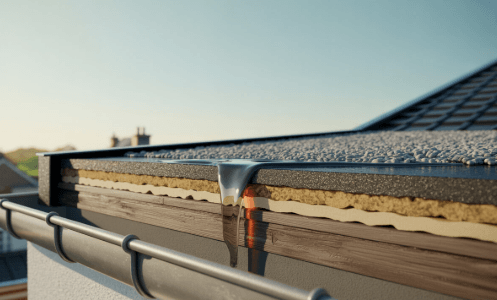
Flat roofs tend to hide trouble longer than pitched roofs. Water does not always pour through the ceiling right away. It often collects slowly, moves along the surface, and works into weak spots before anyone inside notices a stain or damp smell. That is why homeowners looking into roof repair brigham city should pay attention to the early causes of leaks instead of waiting for obvious interior damage. The source is often small at first, but flat roofing systems can deteriorate quickly once moisture gets below the surface.
A leak in a flat roof usually starts where water sits for too long or where materials no longer seal properly. Age plays a role, but so do drainage problems, damaged flashing, worn membrane seams, and punctures from traffic or debris. When these issues are caught early, roof repair is often far more manageable. When they are ignored, the repair can spread beyond the roof and involve insulation, decking, and interior materials. This rewrite is based on the uploaded draft, refocusing it on flat-roof leak causes rather than general storm wear.
Ponding Water Creates Pressure Over Time
Standing water is one of the biggest causes of flat roofs leaking. Since flat roofs do not shed water as quickly as sloped roofs, they rely on proper drainage to keep moisture moving off the surface. When drains get blocked or parts of the roof begin to dip, water can sit in the same area well after the rain stops.
That lingering water can wear down the roof over time. It keeps pressure on seams, flashing, and the membrane, especially in the lowest spots. With enough exposure, those materials can begin to weaken, crack, or separate, providing water with a path below the surface.
Ponding water can also make it harder to spot what is really going wrong. From the ground, the roof may seem fine. But in areas where water collects repeatedly, the materials are often under greater strain. What looks like a simple drainage problem can slowly turn into a leak because that section of the roof never gets a real chance to dry out.
Seam Failure Is a Frequent Weak Spot
Many flat roofs rely on seams where sheets of membrane meet. Those seams are critical because they help keep water on the surface and moving toward the drainage points. When the bond begins to weaken, even slightly, water can start entering through the edge.
This type of failure often develops gradually. Heat, sun exposure, movement in the structure, and normal aging can all affect how well seams hold. In some cases, the edge starts to curl. In others, the separation is minor enough to be easy to miss during a casual inspection.
Once water slips through a failed seam, it rarely stays in one place. It can travel beneath the membrane, soak insulation, and spread farther than the visible opening suggests. That makes seam problems especially frustrating for homeowners because the leak inside may not appear directly below the original failure.
Flashing Around Roof Features Often Breaks Down First
Flat roofs depend heavily on flashing around penetrations and edges. Any place where the roof meets a vent, wall, skylight, or equipment base needs a secure transition. These are not large areas, but they are some of the most vulnerable points on the roof.
Flashing can fail for several reasons. The sealant may dry out. The metal may pull loose. The membrane may shrink away from the edge. Even a slight gap can be enough to let moisture in during rain or after melting snow. Because water tends to move sideways on flat roofs, these failures are not always easy to trace from inside the home or building.
A recurring leak near the same part of the ceiling often points to one of these transition areas. In many cases, the field of the roof is not the problem at all. The real issue is where one material ends, and another begins.
Surface Punctures Can Turn Into Hidden Leaks
Flat roofs are more exposed to foot traffic than many homeowners realize. Service technicians, fallen branches, tools, or windblown debris can all damage the membrane. A puncture does not have to be large to cause trouble. A small tear or compressed spot can allow moisture to enter and spread beneath the surface.
This becomes more likely on older roofs where the membrane has lost flexibility. Instead of absorbing stress, the material may crack or split more easily. Once the top layer is broken, water can slowly enter the system and remain hidden for quite a while.
That is part of what makes puncture damage so deceptive. It may not create an immediate drip. Instead, it weakens the roof little by little until stains, odors, or insulation problems finally appear indoors.
Drainage Problems Allow Minor Issues to Grow
Even a well-installed flat roof can struggle if drainage is poor. Clogged drains, blocked scuppers, and buildup from leaves or dirt prevent water from moving off the roof as it should. When that happens, every weak point is put under more pressure.
Drainage issues also make it harder for a roof to dry. Moisture that lingers on the surface creates conditions in which seams, flashing, and coatings break down faster. In other words, drainage does not just affect how the roof performs during a storm. It also affects how the roof ages between storms.
That is why maintenance matters so much. A roof that is cleared and checked regularly is far less likely to develop the kind of leak that spreads unnoticed for months.
Aging Materials Lose Their Ability to Resist Moisture
No flat roof lasts forever. Over time, membranes dry out, coatings wear thin, and sealants stop performing as they once did. Materials that are used to handle expansion, contraction, and everyday weather exposure begin to lose that resilience.
An aging flat roof may not fail all at once. More often, it develops a series of smaller weaknesses. One seam loosens. One edge pulls back. One section holds water a little longer than before. Eventually, those small issues connect, and the roof becomes much more vulnerable to leakage.
That gradual breakdown is why regular inspections matter. A roof can still look serviceable while its most important details are already wearing out. So, getting a roof repair brigham city inspection scheduled before those weak spots turn into active leaks can help prevent more extensive and costly damage.
See also: Home Deep Cleaning Dubai: Transform Your Living Space with Professional Care
Why Early Repairs Matter
What makes a flat roof leak expensive is not always the initial opening. The bigger issue is what happens once moisture gets beneath the outer layer. Wet insulation, weakened decking, ceiling marks, and ongoing dampness can all make the repair more involved than expected.
It is usually much easier to deal with the problem early. Repairing a seam, replacing worn flashing, or fixing drainage in one section is often far simpler than dealing with water that has had time to spread. Flat roof leaks tend to worsen with time, especially when the source is left unaddressed.
In many cases, leaks start with small, fairly ordinary problems. Water may sit too long in one area. A seam may begin to separate. Flashing may loosen. A puncture may go unnoticed. On their own, those issues can seem minor, but they are often the reason a flat roof starts taking in water. Finding them early can keep the repair smaller and prevent more serious damage later.