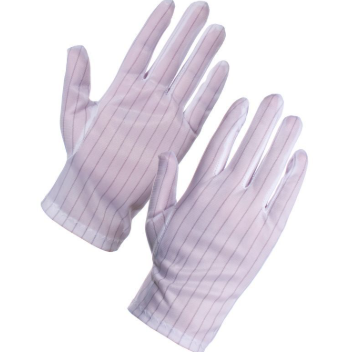
A puncture resistant glove is not just another safety product — it’s a precision tool designed to protect against one of the most common causes of workplace hand injury. Understanding what makes a puncture resistant glove effective, how protection levels are measured, and which applications each type suits best will help you make an informed purchase decision.
What Defines a Puncture Resistant Glove?
Construction and Materials
Puncture resistant gloves achieve their protective properties through material selection and construction techniques. High-density polyethylene fibers, Kevlar, stainless steel mesh, nitrile, and rubber are all used in different configurations to resist the penetration of sharp objects.
The thickness and density of the coating or shell material are critical factors. Thicker materials generally resist puncture better, but excessively thick gloves compromise dexterity. The most advanced designs use thin, high-tensile materials that distribute puncture forces over a larger area, resisting penetration without excessive bulk.
Reading Performance Certifications
When evaluating puncture resistant gloves, the EN 388 rating system is your most important reference point. The puncture performance score is listed as the second digit in the EN 388 rating sequence, ranging from 1 to 4. A score of 4 indicates the highest resistance to the standard test.
For applications involving specific hazard types such as hypodermic needles, look for supplementary ratings under standards specifically developed for that hazard. These provide much more relevant performance data than the general EN 388 test.
See also: Business Flow Alignment Analysis: 648539509, 669470501, 966234275, 120550607, 677327224, 5625827007
Fit, Comfort, and Worker Compliance
The most protective glove in the world provides no value if workers refuse to wear it. Comfort is a legitimate performance criterion, not a luxury. Gloves that are too bulky, too hot, or poorly fitted get removed as soon as supervisors aren’t looking.
Involving workers in the glove selection process improves compliance dramatically. Allow potential users to trial different options and provide feedback before committing to a large purchase. The gloves that workers actually keep on throughout the shift will prevent far more injuries than superior-performing gloves that sit unused.
Frequently Asked Questions
Q: Can a puncture resistant glove protect against all sharp objects?
A: No glove can protect against every possible puncture hazard. Protection is relative, not absolute. Always match the glove’s performance rating to the specific hazard and understand the limits of protection.
Q: How do I dispose of used puncture resistant gloves safely?
A: If gloves have been contaminated with hazardous materials, follow your facility’s hazardous waste disposal procedures. Clean gloves can generally be disposed of in regular waste, but check local regulations.
Q: Are puncture resistant gloves available in women’s sizes?
A: Yes. Many manufacturers offer gloves in smaller sizes suitable for female workers. Proper fit is as important for women as for men, so ensure the gloves you select are available in the appropriate size range.
Conclusion
A puncture resistant glove is an essential component of hand protection in environments where sharp object hazards are present. By understanding performance ratings, material options, and fit requirements, safety managers can select gloves that workers will genuinely use and that will reliably prevent the hand injuries they’re designed to address.